
Renting a home in Leicester
What your landlord has to do, what you have to do, and how to get things fixed without it turning into an argument.
Before you move in
Five documents you should receive. If you have not been given them, ask, because they exist to protect you.

Gas Safety Record
A copy of the current certificate, dated within the last twelve months, for every gas appliance in the property.

Energy Performance Certificate
Shows how expensive the property will be to heat. It must be rated E or above for the property to be let at all.

Written statement of terms
For any tenancy that starts from 1 May 2026, your landlord must give you the main terms of the tenancy in writing before it begins. It replaces the old How to Rent guide.

Deposit protection details
Your deposit must be in a government approved scheme within 30 days, and you must be told which one and how to get it back.

Inventory
A written record of the condition of the property, ideally with photographs. Check it carefully, add anything missing, and return it signed within the time given.
Who is responsible for what
This is where most disagreements start, and the line is clearer than people think. It comes from Section 11 of the Landlord and Tenant Act 1985, and it cannot be changed by anything written in your tenancy agreement.
Your landlord's responsibility

The roof, walls, windows, external doors, gutters and drains
Water, gas, electricity and sanitation, including basins, sinks, baths and toilets
Heating and hot water, including the boiler and radiators
Annual gas safety checks and five yearly electrical reports
Smoke alarms on every storey and carbon monoxide alarms where required
Anything that makes the property unfit to live in
Your responsibility
Changing light bulbs and smoke alarm batteries
Unblocking a sink or toilet that you blocked
Keeping the property reasonably heated and ventilated
Repairing damage caused by you, your household or your visitors
Reporting problems early, in writing where you can
Allowing access for repairs and inspections with proper notice
Damp and condensation
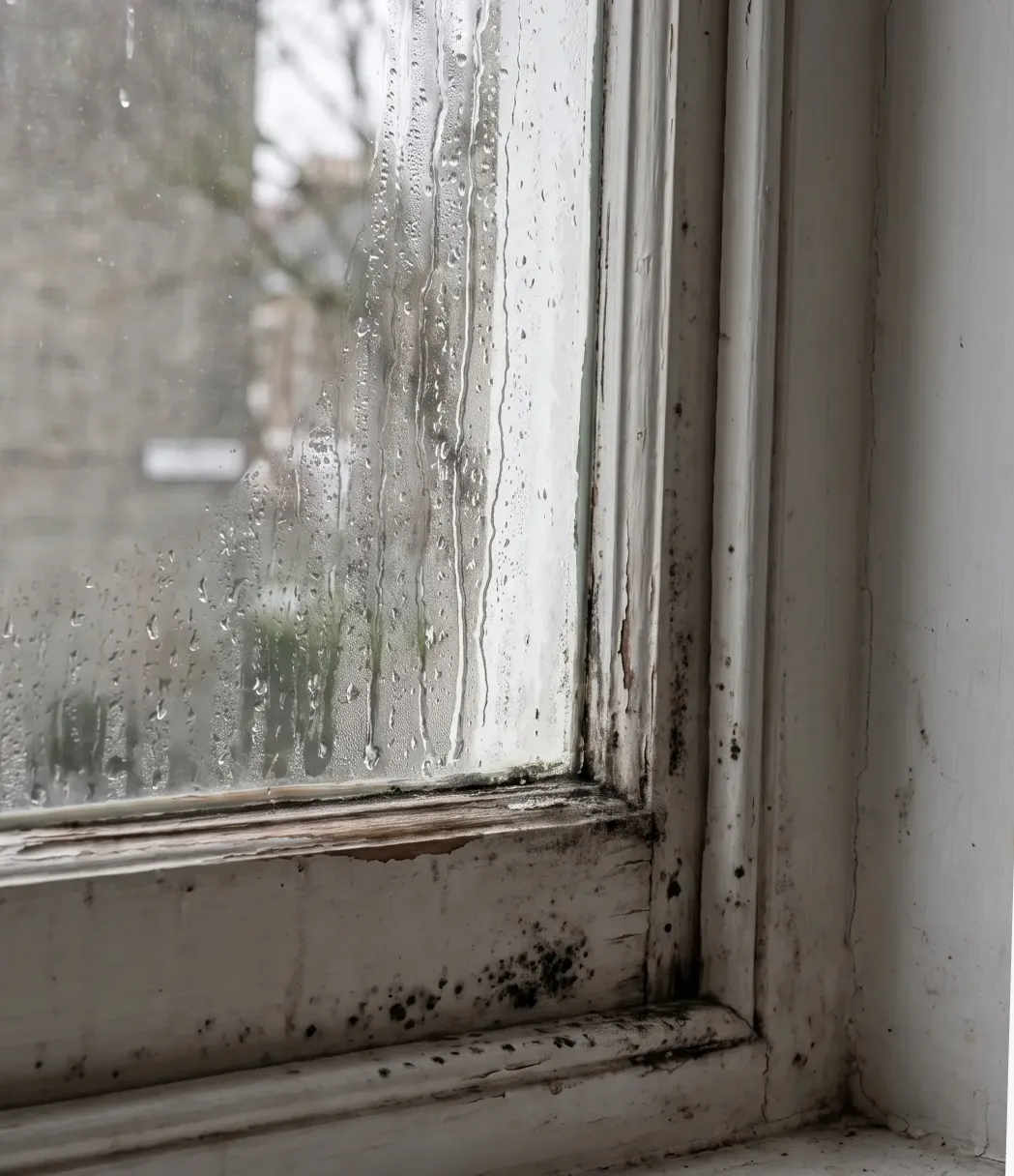
The most argued about problem in renting, because the cause decides who pays. If it comes from a failed damp proof course, a leaking gutter or a roof, it is the landlord's. If it comes from drying washing indoors with every window shut, it is yours. Often it is a bit of both.

Report it in writing as soon as you see it, with photographs. Waiting six months makes it far harder to prove the cause.
Use extractor fans when cooking and showering, and keep trickle vents open.
Try not to dry washing on radiators without ventilation.
If it keeps coming back after you have done all of that, it is very likely a building fault and your landlord needs to investigate.
How to report a repair

1. Report it early
Small problems become expensive problems. A dripping tap is cheap. A rotten floor under it is not.

2. Put it in writing
Use our repair form so there is a dated record. A phone call is fine for an emergency, but follow it up in writing.

3. Send photographs
A photograph usually means the right part arrives on the first visit instead of the second.
What counts as an emergency
Smell gas
Leave the property, do not touch any switches, and call the National Gas Emergency Service on 0800 111 999. Then tell us.

Water pouring in
Turn off the stopcock if you can reach it safely, then call us.

No heating or hot water
In cold weather this is treated as urgent, not routine.
Property not secure
A broken door or window after a break in is an emergency. Call our emergency line on 07503 650431, do not wait for a form reply.
Ending your tenancy
Give notice in writing and keep a copy. Unless your tenancy agreement allows less, that means at least two months, ending on the first or last day of a rent period.
Clean the property to the standard it was in when you moved in. The inventory is what you will be measured against.
Fair wear and tear is not damage. Carpet that has thinned over three years is wear. A burn in it is not.
Take dated photographs of every room on the day you leave. They cost nothing and they settle most disputes.
Your deposit, or the undisputed part, should be returned within ten days of the deductions being agreed.


Something needs fixing?
Report it once and we will take it from there.